
 By Car playhoopgame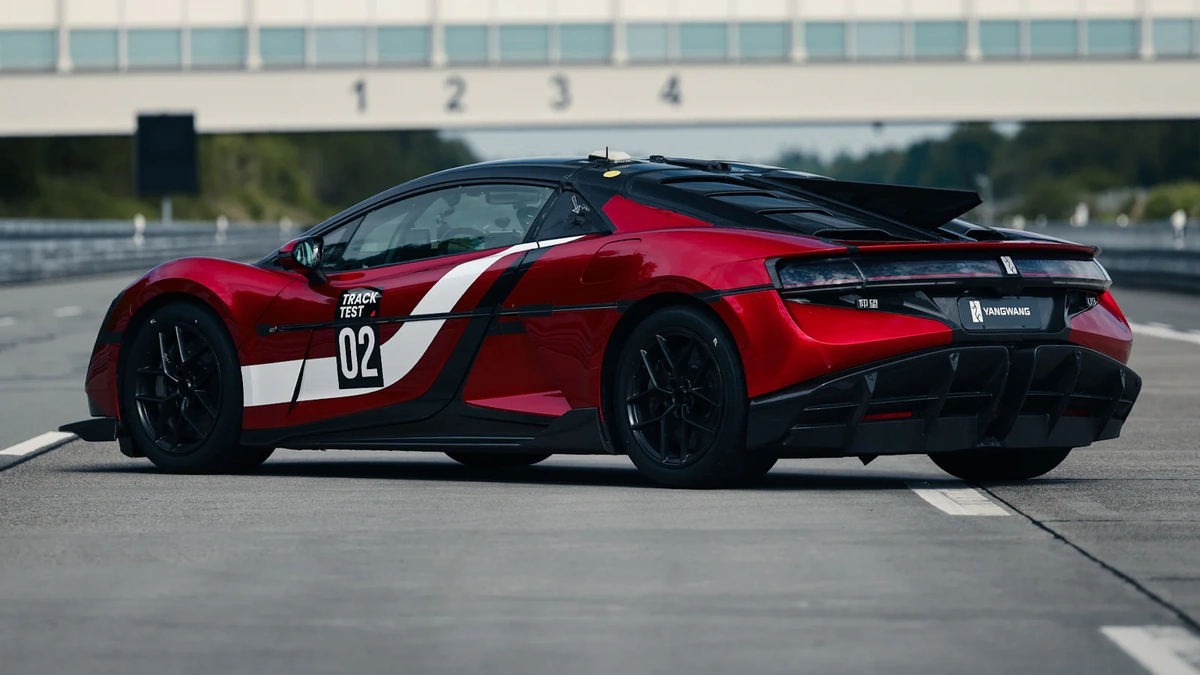
Let’s be honest, for many of us, the phrase “American sports car” conjures images of raw power, a thumping V8, and perhaps a slightly rebellious spirit. But when we talk about top speed sports cars USA, we’re not just talking about muscle anymore. We’re diving into a fascinating, high-stakes game of physics, engineering, and national pride. What fascinates me isn’t just what these cars can do, but why American manufacturers are pushing the boundaries of speed further than ever before. It’s a deeper story than mere bragging rights, trust me.
Here’s the thing: while European marques often steal the limelight for their exotic hypercars, the USA has been quietly, and sometimes not so quietly, developing its own breed of speed demons. Think about it – from the iconic Corvette to the burgeoning world of boutique American hypercars, there’s a relentless pursuit of velocity woven into the very fabric of American automotive culture. But why this obsession with breaking speed records? What are the underlying forces driving this incredible automotive innovation US?
It’s not just about building a fast car; it’s about proving technological prowess, attracting top talent, and, frankly, shaping the future of driving. This isn’t just a race on the track; it’s a race for innovation, a proving ground for new materials, aerodynamics, and propulsion systems. And it’s a story that’s far from over.
Beyond Bragging Rights | The Engineering Drive Behind American Hypercars
When you look at a car capable of 300 mph, you’re not just seeing a powerful engine. You’re witnessing a symphony of advanced automotive engineering. The pursuit of extreme speed in US hypercars demands a holistic approach, where every component, from the tires to the roofline, is meticulously designed for minimal drag and maximum stability. This is where the ‘why’ truly shines. These aren’t just cars; they’re rolling laboratories.
Consider the aerodynamics, for instance. Engineers are using computational fluid dynamics (CFD) and wind tunnels to sculpt bodies that literally slice through the air, generating downforce to keep the car glued to the tarmac without creating excessive drag. This involves complex active aero systems that adjust spoilers and flaps on the fly, optimizing performance for different speeds and driving conditions. It’s a delicate dance, and getting it right is crucial for both speed and safety, especially when you’re flirting with speed limitations on public roads – or even on closed courses.
Then there’s the material science. To achieve these insane speeds, weight is the enemy. That’s why you see extensive use of carbon fiber composites, titanium, and advanced alloys throughout these performance vehicles. These materials offer incredible strength-to-weight ratios, allowing engineers to build incredibly rigid chassis that can withstand immense forces while keeping the overall mass down. And let’s not forget the braking systems – massive carbon-ceramic discs are essential to rein in these beasts from their dizzying speeds. These are the kinds of advancements that eventually trickle down, even if in diluted form, to more common vehicles, improving efficiency and safety for everyone.
Major performance car manufacturers and ambitious startups alike are pouring resources into R&D, not just to beat a record, but to advance the entire field. This drive for ultimate performance pushes boundaries in engine design, transmission technology, and even tire compounds. It’s a relentless cycle of innovation, proving that American ingenuity is alive and well in the automotive sector.
The Horsepower Wars | A Brief History and Current Contenders
The idea of fastest American cars isn’t new. For decades, American muscle cars have been synonymous with raw, unadulterated power. From the classic Shelby Mustangs to the fire-breathing Corvettes, there has always been a segment of the US market that craves speed and acceleration. But the modern horsepower wars are on an entirely different scale.
In the past, a 400-horsepower car was a beast. Today, that’s just the starting line for many high-performance models. We’re now talking about cars routinely breaking the 1,000-horsepower barrier, with some pushing past 1,600 hp. This escalation is partly driven by technological advancements – better fuel injection, forced induction (turbochargers and superchargers), and more robust internal components have allowed engines to produce previously unimaginable power outputs reliably. It’s also fueled by a competitive spirit among manufacturers, each vying for the title of the fastest or most powerful production car.
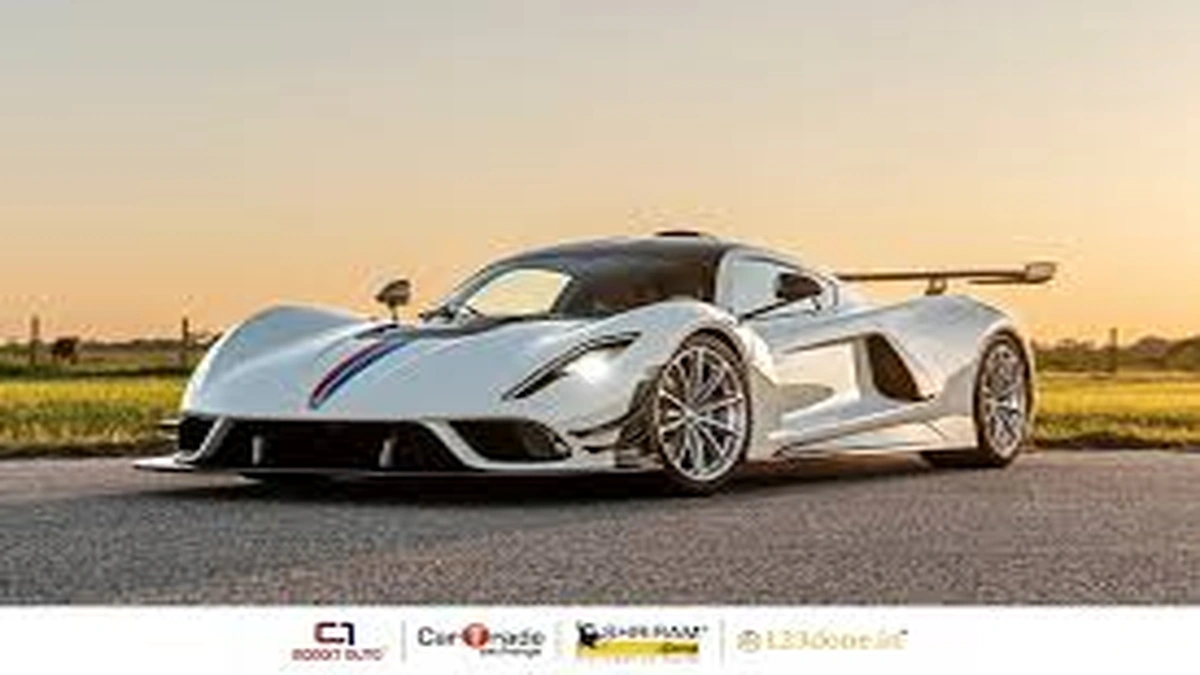
Who are the current heavyweights in this arena? Brands like Hennessey Performance, based in Texas, have consistently pushed the envelope with their Venom F5, a car explicitly designed to exceed 300 mph. They’re a prime example of a domestic supercar brand taking on the world’s elite. Then there’s SSC North America with their Tuatara, which has also made headlines for its incredible top speed attempts. And, of course, traditional giants like Chevrolet continue to impress with track-focused versions of the Corvette, constantly redefining what a mainstream American sports car can achieve. These are the machines that represent the pinnacle of American speed machines, showcasing what’s possible when engineering meets passion.
Speed, Safety, and Sustainability | The Regulatory and Market Realities
While the pursuit of top speed sports cars USA is exhilarating, it doesn’t happen in a vacuum. There are significant real-world constraints and considerations that shape the development of these vehicles. The most obvious are safety regulations. Building a car that can go 300 mph is one thing; building one that can do it safely, with crumple zones, advanced driver-assistance systems, and robust structural integrity, is another challenge entirely. Manufacturers must navigate stringent federal safety standards, ensuring that even at extreme speeds, occupants are as protected as possible.
Furthermore, the growing global emphasis on sustainability and environmental impact is profoundly influencing the US hypercar market. While historically, these cars have been gas-guzzling titans, there’s an undeniable shift towards electrification. This is where electric supercar development comes into play. The instant torque and incredible power delivery of electric motors are perfectly suited for high-performance applications, offering a new pathway to achieving mind-bending speeds while simultaneously reducing emissions. Companies like Czinger Vehicles are exploring hybrid and fully electric powertrains, proving that exhilarating performance doesn’t have to come at the expense of environmental responsibility.
This dual challenge – pushing the boundaries of speed while adhering to increasingly strict safety and emissions regulations – forces manufacturers to be even more innovative. It’s not just about brute force anymore; it’s about intelligent engineering, lightweighting, and harnessing new energy sources. This complex interplay is creating a fascinating evolution in performance car trends, moving beyond simple internal combustion to a more sophisticated, technologically integrated future. Perhaps you’re also curious about stunningcoupe cars under 1 crore, offering a different kind of thrill, showcasing how diverse market segments cater to different desires.
What’s Next? The Future of American Speed Machines
So, what does the future hold for top speed sports cars USA? If current trends are any indication, we’re likely to see a continued push towards electrification, not just for efficiency, but for performance. Electric hypercars are already demonstrating capabilities that rival, and in some cases surpass, their gasoline-powered counterparts in terms of acceleration and even top speed. The sheer simplicity and efficiency of electric powertrains open up new avenues for packaging and weight distribution, allowing for even more radical designs and performance envelopes.
I also anticipate a greater integration of artificial intelligence and advanced software. Imagine cars that can dynamically adapt their performance characteristics based on real-time road conditions, driver input, and even predictive analytics. This isn’t science fiction; it’s the logical next step in automotive innovation US. The focus won’t just be on raw power, but on how intelligently that power is delivered and managed, making these incredibly fast machines more accessible and safer for skilled drivers.
The pursuit of speed records will continue to captivate, but the narrative will expand to include efficiency, intelligence, and the seamless integration of human and machine. While we’re talking about diverse automotive needs, it’s interesting to see how different segments evolve, much like the advancements inSUVs under 10 lakhs with good mileagecater to practicality. The spirit of competition and innovation remains, ensuring that the USA will continue to be a fertile ground for developing some of the world’s most breathtakingly fast cars. It’s an exciting time to be an automotive enthusiast, witnessing this incredible transformation firsthand.
Frequently Asked Questions About US Speed Demons
What are some of the fastest American cars available today?
Some of the current leaders in top speed sports cars USA include the Hennessey Venom F5, the SSC Tuatara, and high-performance variants of the Chevrolet Corvette, particularly the Z06 and upcoming ZR1 models. These vehicles represent the pinnacle of fastest American cars production.
How do US hypercars compare to European rivals in terms of top speed?
US hypercars are absolutely competitive with their European counterparts. Brands like Hennessey and SSC have explicitly designed their vehicles to challenge and break global speed records, often pushing past the 300 mph (480 km/h) mark, putting them on par with or even exceeding many European elite models like Bugatti and Koenigsegg. You can learn more about hypercars onWikipedia.
Is there a focus on electric supercar development in the USA?
Yes, absolutely. There’s a significant and growing focus on electric supercar development in the USA. Companies like Czinger Vehicles are leading the charge with innovative hybrid and electric models, and even established manufacturers are exploring electric powertrains for their performance divisions. The instant torque and sustainable nature of electric motors make them ideal for future performance vehicles.
What challenges do performance car manufacturers face in pushing speed records?
Performance car manufacturers face numerous challenges, including overcoming aerodynamic drag, managing immense heat generated by powerful engines or electric systems, ensuring structural integrity and safety at extreme speeds, and adhering to increasingly strict emissions regulations. It’s a complex balancing act of power, physics, and practicality. For instance, Hennessey Performance details their engineering on their official site:Hennessey Performance.
Ultimately, the story of top speed sports cars USA is one of relentless ambition. It’s about engineering marvels, yes, but also about the human spirit of pushing limits, of daring to build the impossible. The horsepower wars may evolve, embracing new technologies and fuels, but the fundamental drive to go faster, to innovate, and to showcase American ingenuity on the global stage will undoubtedly endure.