
 By Car playhoopgame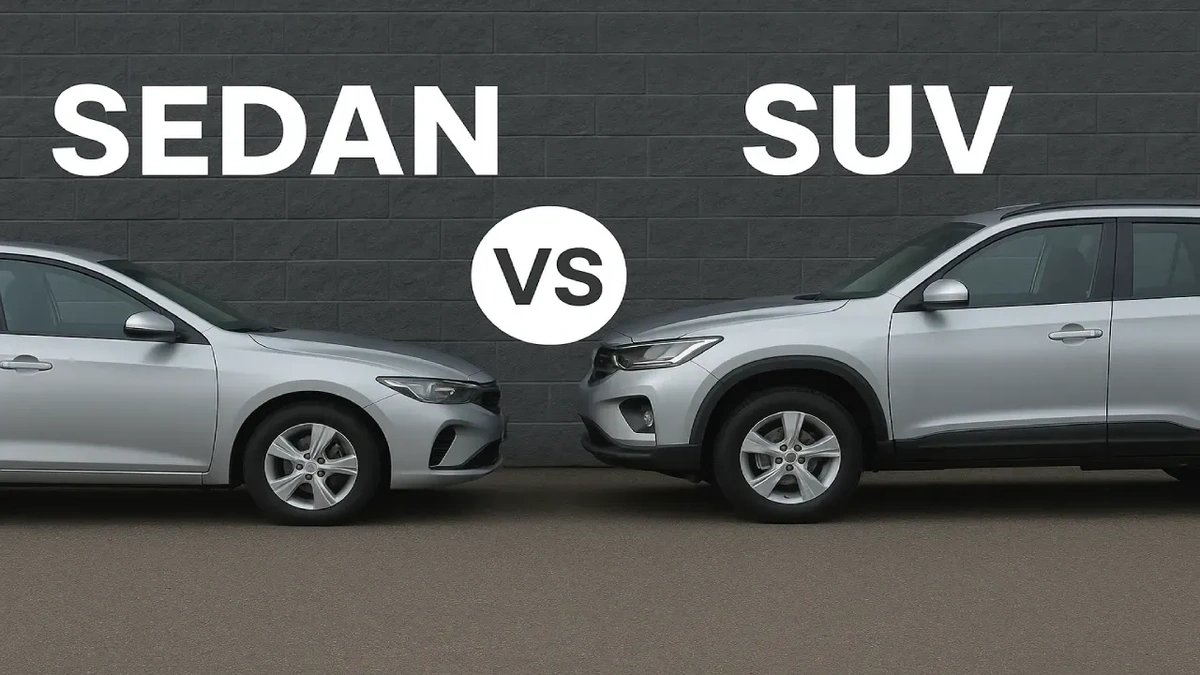
Ever stood on a car lot, eyes glazed over by the sheer number of options, and thought, “Which one will actually be worth something when I sell it?” Let’s be honest, we’ve all been there. It’s not just about the sticker price; it’s about the silent killer of your investment: car depreciation USA . And in the ongoing battle for your dollar, there’s a clear winner emerging in the realm of SUV vs sedan resale value USA . What fascinates me isn’t just that one holds value better, but why what deeper forces are at play in the American automotive market that dictate a vehicle’s worth years down the line?
I initially thought this was straightforward, a simple supply-and-demand equation. But then I realized, it’s far more nuanced, touching on cultural shifts, economic realities, and even our evolving perception of what a “family car” truly means. This isn’t just about statistics; it’s about understanding the pulse of the American consumer and how it impacts your wallet. So, grab a coffee, and let’s dissect the hidden context behind why your next vehicle choice matters more than you think for its future resale value .
The Shifting Sands of Desire | Understanding SUV Popularity’s Grip
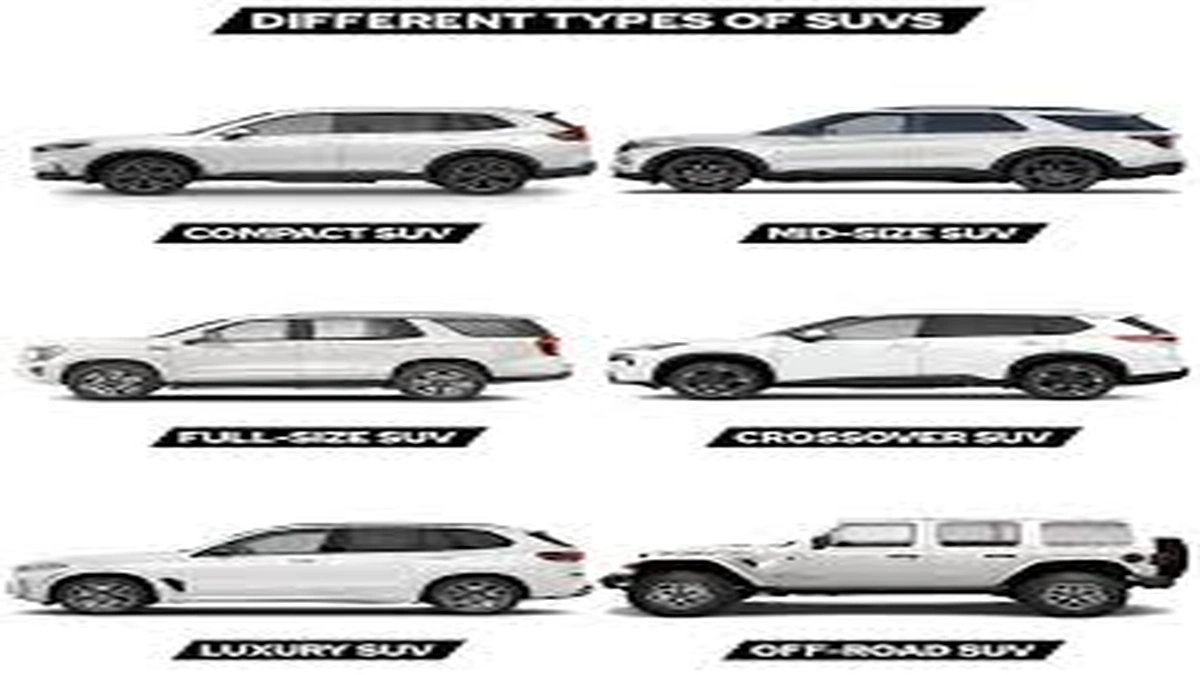
Here’s the thing: America has fallen head over heels for SUVs. It’s not a secret; you see it on every highway, every school pickup line. The SUV, once a niche vehicle, is now the default choice for many, driving significant SUV market trends USA . Why? Well, it’s a cocktail of factors. There’s the perceived safety that higher driving position, the feeling of being more protected. Then there’s the practicality: more cargo space, often better ground clearance for those adventurous weekends, and seating for the whole family (and then some). This isn’t just a fleeting trend; it’s a fundamental shift in consumer preference that has a profound SUV popularity impact on the entire market.
Think about it: families are growing, lifestyles are becoming more active, and the desire for versatility in a single vehicle has never been stronger. Sedans, while still offering a comfortable, efficient ride, often feel like they’re playing catch-up in this new landscape. This growing preference directly translates into higher demand for used SUVs, which, as any economist will tell you, is a key ingredient for strong vehicle value retention . The market simply wants more of them, and that desire keeps prices firm, even for older models.
Decoding Depreciation | The Hidden Factors Affecting Car Resale
Depreciation is the silent killer of your car’s value, the moment it rolls off the lot. But not all vehicles depreciate equally. When we talk about factors affecting car resale , we’re looking at a complex web of influences. Brand reputation plays a huge role, of course, as does reliability and fuel efficiency. However, the biggest factor right now is arguably market demand. The stark contrast in sedan vs SUV popularity is the primary driver of their differing depreciation curves.
Sedans, unfortunately, are seeing steeper car depreciation rates because the demand for them in the used market has softened considerably. New car buyers are opting for SUVs, which means fewer new sedans are sold, and the used sedan market gets saturated with more supply than demand. This creates a buyer’s market for sedans, pushing prices down. Conversely, the high demand for new SUVs translates into high demand for used SUVs, making them some of the best resale value cars on the lot. It’s a classic case of supply and demand dictating market worth, and it’s a trend that, based on current used car market trends , isn’t reversing anytime soon. If you’re looking for alternatives to traditional sedans or SUVs, you might want to considercng hatchback alternatives europefor different markets, but in the USA, the SUV reigns supreme.
The Numbers Don’t Lie | What the Data Says About Vehicle Value Retention
Let me rephrase that for clarity: when you look at actual data, the difference in vehicle value retention is often striking. According to industry experts like Kelley Blue Book (KBB) and Edmunds, SUVs consistently outperform sedans in retaining a higher percentage of their original value over a typical 3-5 year ownership period. For instance, a quick glance at their projected resale values often shows compact and mid-size SUVs holding 5-10% more of their value than comparable sedans after three years. This isn’t just anecdotal; it’s a consistent pattern observed across the automotive market dynamics .
The underlying reason, as we’ve discussed, is the enduring consumer preference. People are willing to pay more for a used SUV because that’s what they want. This trend is further solidified by the fact that many manufacturers are reducing their sedan lineups, further constricting supply in the new market, which inevitably impacts the used market. It’s a self-fulfilling prophecy where demand drives production, which then reinforces demand, creating a robust ecosystem for SUV values. For those interested in powerful options, evendiesel suv under 20 lakhsin other markets showcase the global appeal of utility vehicles.
Beyond the Initial Price Tag | Long-Term Implications for Buyers and Sellers
So, what does all this mean for you, the savvy consumer? If you’re in the market for a new vehicle, understanding these used car market insights can save or cost you thousands down the road. If you’re thinking about buying a used SUV , while it might cost a bit more upfront than a comparable sedan, you’re likely making a smarter long-term investment in terms of equity. The higher resale value means a smaller depreciation hit when it’s time to trade in or sell, effectively lowering your true cost of ownership.
Conversely, if you’re selling a used sedan , be prepared for a potentially tougher negotiation and a lower return than you might have expected a decade ago. It’s not that sedans are bad cars far from it! They often offer excellent fuel economy and a more engaging driving experience. But the market has spoken, and its voice is clear: utility and versatility are king for value retention right now. Knowing this allows you to set realistic expectations and strategize your sale or purchase effectively. It’s about being informed, not just about the car itself, but about the broader economic and cultural tides that shape its worth.
Frequently Asked Questions About Car Resale Value
Are all SUVs good for resale value USA?
While SUVs generally outperform sedans, not all SUVs are created equal. Brand reputation, reliability, fuel efficiency (even for SUVs), and specific model popularity within the SUV segment still play significant roles. For the best resale value cars , look for popular compact and mid-size SUVs from reputable brands like Honda, Toyota, Subaru, and certain Ford and Hyundai models.
Does brand matter for car depreciation USA?
Absolutely. Certain brands have a historical track record of stronger vehicle value retention due to perceived reliability, build quality, and customer loyalty. Brands like Toyota, Honda, and Subaru often lead in resale value across many segments, including SUVs, because of their reputation for dependability and lower maintenance costs.
What about electric vehicles (EVs) and their resale value?
The resale value of EVs is a rapidly evolving landscape. Early models saw significant depreciation, but as battery technology improves, range anxiety decreases, and charging infrastructure expands, their future resale value is expected to stabilize and potentially improve. Government incentives for new EVs can also impact used EV prices, so it’s a segment to watch closely.
When is the best time to sell a sedan?
If you own a sedan and are considering selling, generally the best time is before it hits major mileage milestones (like 60,000 or 100,000 miles) and before it reaches 3-5 years old, which is when depreciation often accelerates. Selling in spring or early summer can also sometimes fetch a slightly better price due to increased buyer activity. However, given the current sedan market share and trends, selling sooner rather than later might be a wise move to mitigate further depreciation.
Ultimately, the story of SUV vs sedan resale value USA isn’t just about vehicles; it’s a reflection of our changing lives, priorities, and what we expect from our everyday ride. The market has spoken, and for now, the SUV is the undisputed champion of value retention, offering a compelling argument for those looking to protect their automotive investment. Understanding these underlying currents the ‘why’ behind the numbers empowers you to make decisions that truly make sense for your future.