
 By Car playhoopgame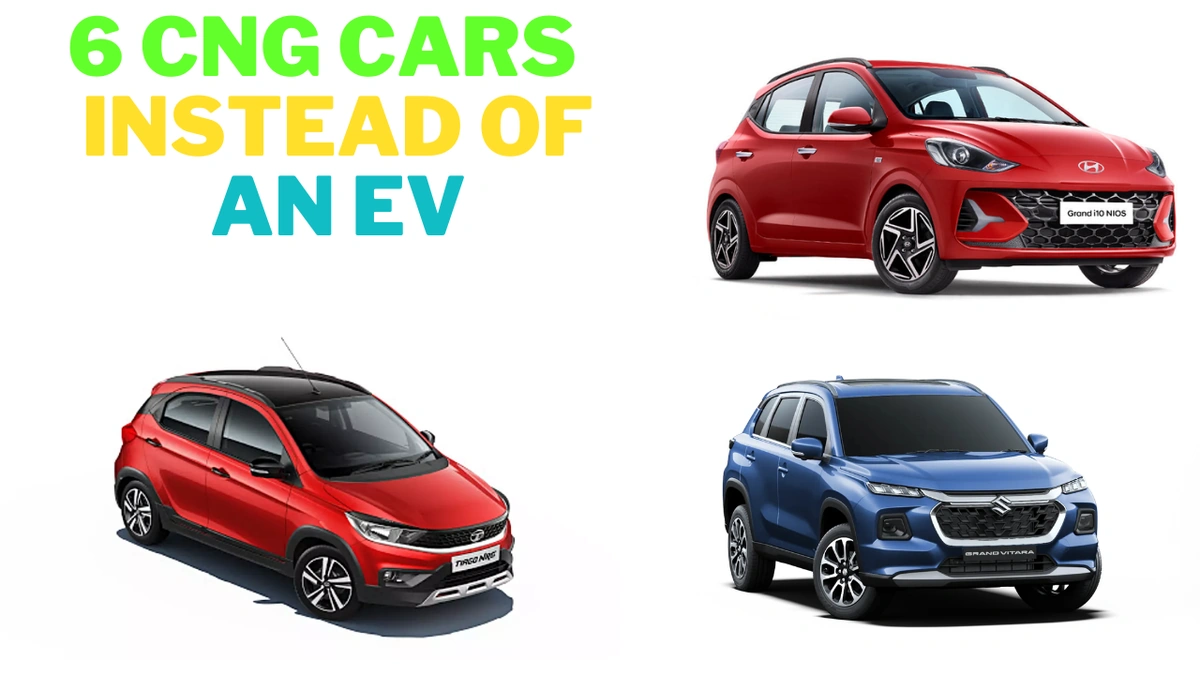
Alright, let’s talk cars in Europe. For a while there, especially in countries like Italy and Germany, compressed natural gas (CNG) hatchbacks felt like a smart, eco-conscious choice. They offered lower running costs and a nod to greener driving, a sensible option for daily commutes. But if you’ve been paying attention to the European car market, you’ll notice a significant shift. The once-promising future of CNG vehicles, particularly small hatchbacks, seems to be, well, deflating. What fascinates me isn’t just that it’s happening, but why this quiet retreat is taking place, and what it signals for the future of sustainable mobility solutions on the continent. It’s a complex interplay of regulations, evolving technology, and changing consumer priorities, and frankly, it’s a story worth understanding.
The Quiet Retreat of CNG | A Look at the European Landscape
Think back a few years. CNG was positioned as a cleaner burning fossil fuel, a stepping stone away from petrol and diesel. Manufacturers like Fiat, Volkswagen, and Seat offered popular CNG variants of their compact cars. The idea was solid: reduce tailpipe emissions, lower fuel costs, and contribute to better air quality in bustling European cities. But here’s the thing: the infrastructure never truly caught up. While some regions saw decent investment in CNG filling stations, it was never as widespread or convenient as petrol or diesel, and certainly not as rapidly expanding as the electric charging network.
Moreover, the goalposts for environmental performance kept moving. The European Union’s increasingly stringent emission standards EU , particularly the push for zero-emission vehicles, started making even cleaner internal combustion engines look less appealing. Governments began to heavily incentivize electric vehicles, shifting the focus and funding away from technologies like CNG. This created a challenging environment for CNG hatchback alternatives Europe, making them a niche option rather than a mainstream solution. It’s not that CNG is inherently bad; it’s just that the market, driven by policy and innovation, found other, more compelling directions.
The Electric Revolution: Electric Hatchbacks Europe Taking the Wheel
This is where the plot thickens. The biggest reason for the decline of CNG is undoubtedly the meteoric rise of electric vehicles (EVs). When we talk about small cars and urban mobility, electric hatchbacks Europe are now the darlings. From the Renault Zoe to the Peugeot e-208, and even newer entrants like the MG4 and the refreshed Fiat 500e, these vehicles offer zero tailpipe emissions, often lower running costs (especially with home charging), and a driving experience that’s hard to beat in city traffic – quiet, smooth, and instant torque.
Governments across Europe have poured billions into subsidies, tax breaks, and charging infrastructure, making EVs increasingly accessible and attractive. While the initial purchase price can still be higher, the total cost of ownership is often competitive, especially considering the rising cost of fossil fuels. For many urban drivers, an electric hatchback simply makes more sense now than a CNG equivalent ever did. It’s a cleaner, often more convenient, and future-proof choice that aligns with the continent’s ambitious climate goals. This rapid evolution in the European car market has fundamentally changed the conversation around fuel efficiency and environmental responsibility.
The Hybrid Sweet Spot: Balancing Fuel Efficiency Europe and Range
But what if you’re not quite ready to go full electric? Or maybe your driving patterns include longer trips where charging anxiety is a real concern? That’s where hybrid cars Europe step in, offering a compelling middle ground. We’re not just talking about traditional hybrids anymore; the landscape now includes mild hybrids, full hybrids, and plug-in hybrids (PHEVs), each offering different levels of electric assistance and range.
These vehicles often combine a smaller, more efficient petrol engine with an electric motor and a battery pack. They deliver impressive fuel efficiency Europe , especially in stop-and-go city driving, and significantly lower emissions than conventional petrol-only cars. For instance, many popular compacts now come with mild-hybrid systems, subtly improving fuel economy without requiring any change in driving habits or charging infrastructure. PHEVs, on the other hand, offer a decent electric-only range for daily commutes, with the petrol engine providing peace of mind for longer journeys. This flexibility makes them a strong contender as a practical and eco-conscious alternative to what CNG once offered, bridging the gap between traditional combustion and pure electric. It’s a smart play for those not ready to commit entirely to the EV ecosystem.
If you’re weighing options for efficiency and practicality, perhaps comparing a hybrid hatchback to a traditional sedan, you might find interesting insights into different vehicle types, much like understanding the nuances between coupe vs sedan for your driving needs.
The Enduring Appeal of Petrol Cars Europe (with a Twist)
Let’s be honest, for all the talk of electrification, conventional petrol cars aren’t going anywhere overnight. Modern petrol engines are incredibly sophisticated, with technologies like direct injection, turbocharging, and cylinder deactivation making them far more efficient and cleaner than their predecessors. And, crucially, they’re often the most affordable option upfront, making them accessible to a broader range of buyers.
Many new petrol cars in Europe now incorporate mild-hybrid technology as standard, further boosting their efficiency and reducing emissions without adding significant complexity or cost. This makes them surprisingly competitive against some of the older CNG propositions. The widespread availability of petrol stations, coupled with a lower purchase price, ensures that petrol remains a dominant force, especially for those who prioritize simplicity and immediate affordability. While perhaps not at the cutting edge of sustainable mobility solutions , these modern petrol vehicles still offer a robust and practical choice for many European drivers looking for CNG hatchback alternatives Europe.
When considering different car types and their appeal, it’s worth noting the diverse needs of drivers. For example, some might be exploring automatic sedan cars for comfort and convenience, highlighting that personal preference still plays a huge role in vehicle choice.
Beyond the Fuel Tank | Driving Sustainable Mobility Solutions
The shift away from CNG isn’t just about what’s under the bonnet; it’s part of a much larger conversation about how Europeans move. Cities are increasingly pushing for integrated transport solutions – better public transport, extensive cycling networks, and the rise of car-sharing and ride-hailing services. The idea is to reduce reliance on private car ownership altogether, especially within urban cores. This holistic approach to sustainable mobility solutions means that for many, the ‘alternative’ to a CNG hatchback isn’t another car, but a different way of living and moving.
The European Green Deal and national policies are aggressively targeting emissions reductions across all sectors, including transport. This means that any fuel or powertrain technology that doesn’t align with a clear path to decarbonization is likely to face increasing hurdles. The move away from CNG, therefore, isn’t an isolated incident but a symptom of Europe’s unwavering commitment to a greener future, pushing innovation towards truly zero-emission solutions. You can find more details on these ambitious targets on official European Union environmental agency websites, for instance, by checking out the European Environment Agency’s reports ontransport and environment.
So, what’s the takeaway? The story of CNG hatchback alternatives Europe is a fascinating microcosm of the broader automotive industry’s seismic shifts. It’s not a simple case of one technology failing, but rather of an entire ecosystem evolving at breakneck speed. While CNG had its moment, the future, driven by technological breakthroughs, stringent emission regulations , and a collective desire for cleaner air, clearly belongs to electrification and increasingly efficient alternatives. The European driver, it seems, is ready for a new chapter, one that’s quieter, cleaner, and undeniably electric.
Frequently Asked Questions About CNG Hatchback Alternatives Europe
Are CNG cars completely disappearing in Europe?
Not entirely, but their market share is significantly shrinking. While some legacy models and niche commercial vehicles might still be available, the focus of major manufacturers and government incentives has largely shifted towards electric and hybrid powertrains. Infrastructure support is also declining in many regions.
What are the most popular electric hatchbacks Europe right now?
Popular electric hatchbacks include the Renault Zoe, Peugeot e-208, Opel Corsa-e, Fiat 500e, and newer models like the MG4. These cars offer a good balance of range, practicality, and affordability for urban and suburban driving.
How do hybrid cars Europe compare in cost to petrol or electric?
Generally, hybrid cars Europe sit between conventional petrol cars and pure electric vehicles in terms of purchase price. They offer lower running costs than petrol cars and often avoid the ‘range anxiety’ associated with some EVs, making them a balanced choice for many.
What are the main drivers behind the shift from CNG to other sustainable mobility solutions?
The primary drivers include stricter emission standards EU, rapid advancements and cost reductions in battery technology, significant government incentives for EVs, and growing consumer demand for genuinely zero-emission vehicles. The limited and stagnant CNG infrastructure also played a role.
Is it still possible to buy a new CNG car in Europe?
While some manufacturers may still offer a limited number of CNG models, especially in countries with existing infrastructure like Italy, the trend is strongly towards phasing them out in favor of electric and hybrid options. It’s becoming increasingly difficult to find new CNG hatchback alternatives Europe.