
 By Car playhoopgame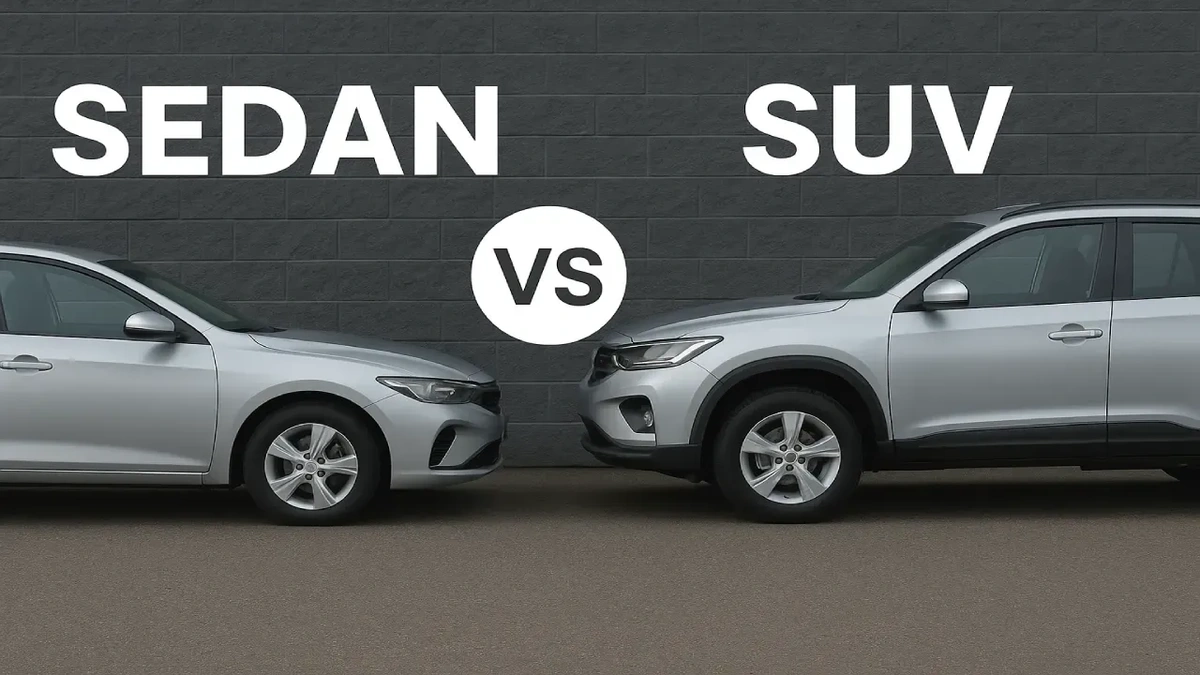
Alright, let’s be honest. If you’re living in the USA and thinking about buying a new car, you’ve probably found yourself staring at two distinct categories: the sleek, ground-hugging sedan, or the robust, elevated SUV. It’s not just a casual choice; it feels like a fundamental life decision, doesn’t it? And what fascinates me is that it’s rarely as simple as ‘I like big cars’ or ‘I like small cars.’ There’s a whole universe of underlying reasons, hidden implications, and societal whispers that nudge us one way or the other. This isn’t just about horsepower or cup holders; it’s about lifestyle, perceived status, practicality, and frankly, the American dream on wheels. So, let’s dive deep into the real SUV vs sedan pros and cons USA drivers face, exploring not just what they are, but why they matter so much.
The Allure of the SUV | More Than Just a High Ride
For years now, the SUV has been on an undeniable ascent in the American car market . Walk into any dealership, glance at any suburban driveway, and you’ll see them everywhere. But why? What’s the magic? From my perspective, having watched these trends unfold, it boils down to a few core SUV advantages that resonate deeply with many American families.
First off, there’s the commanding driving position. That elevated view isn’t just about seeing over traffic; it provides a psychological sense of control and safety. You feel a bit more insulated, a bit more in charge of your surroundings. And let’s not discount the perceived safety aspect. While modern sedans are incredibly safe, the sheer mass and size of an SUV often feels safer to many, especially when you’re thinking about your loved ones in the back seat. This is a powerful emotional driver, even if crash test ratings tell a more nuanced story.
Then there’s the cargo space and versatility. Whether it’s hauling sports equipment, groceries for a week, or luggage for a cross-country trip, the cavernous rear of an SUV, especially with fold-flat seats, offers unmatched utility. It’s perfect for those family car needs , accommodating car seats, strollers, and everything else that comes with modern family life. This is also where the rise of crossover vehicles comes into play. They blend the comfort of a car with the utility of an SUV, offering a slightly less imposing footprint but still delivering on that crucial cargo capacity. It’s a smart compromise for many.
I’ve also noticed that for many, an SUV symbolizes adventure, even if that adventure only ever extends to a gravel driveway. The capability for light off-roading, the option of all-wheel drive, it whispers promises of weekend getaways to national parks or navigating snowy driveways. Even if you never truly push its limits, knowing you could is a powerful draw.
The Enduring Elegance of the Sedan | A Quiet Rebellion?
Now, let’s turn the spotlight to the sedan. Despite the SUV’s dominance, the sedan isn’t going anywhere, and for good reason. It offers a different, often more refined, set of sedan benefits that continue to appeal to a significant segment of buyers. In a world increasingly leaning towards bigger, higher vehicles, choosing a sedan can almost feel like a quiet act of rebellion, a nod to classic automotive values.
The most obvious one, and often the first thing people mention, is fuel efficiency . Generally speaking, sedans are lighter and more aerodynamic than their SUV counterparts. This translates directly to fewer trips to the pump and lower running costs. In an era where gas prices can fluctuate wildly, this is a very tangible advantage for many households. The EPA’sofficial fuel economy ratingsconsistently show sedans outperforming SUVs in their respective classes.
But beyond the numbers, there’s the driving experience . Sedans, with their lower center of gravity, often offer superior handling, a more engaging ride, and a feeling of being connected to the road. They corner flatter, accelerate with more immediate response, and generally feel more agile. For those who genuinely enjoy driving, who appreciate precision and responsiveness, the sedan often delivers a more satisfying experience. It’s a different kind of confidence – one rooted in agility rather than bulk.
Cost is another significant factor. Sedans typically have a lower purchase price than comparable SUVs. This initial saving, combined with better fuel economy and often lower insurance premiums, can make a sedan a much more budget-friendly option over its lifetime. It’s not just about the sticker price; it’s the whole picture.
The Elephant in the Garage: Real-World Pros and Cons USA Drivers Face
Making a choice isn’t just about what looks good or feels right; it’s about the practical realities of owning a vehicle in America. Let’s talk about the nitty-gritty, the stuff that really hits your wallet and impacts your daily life.
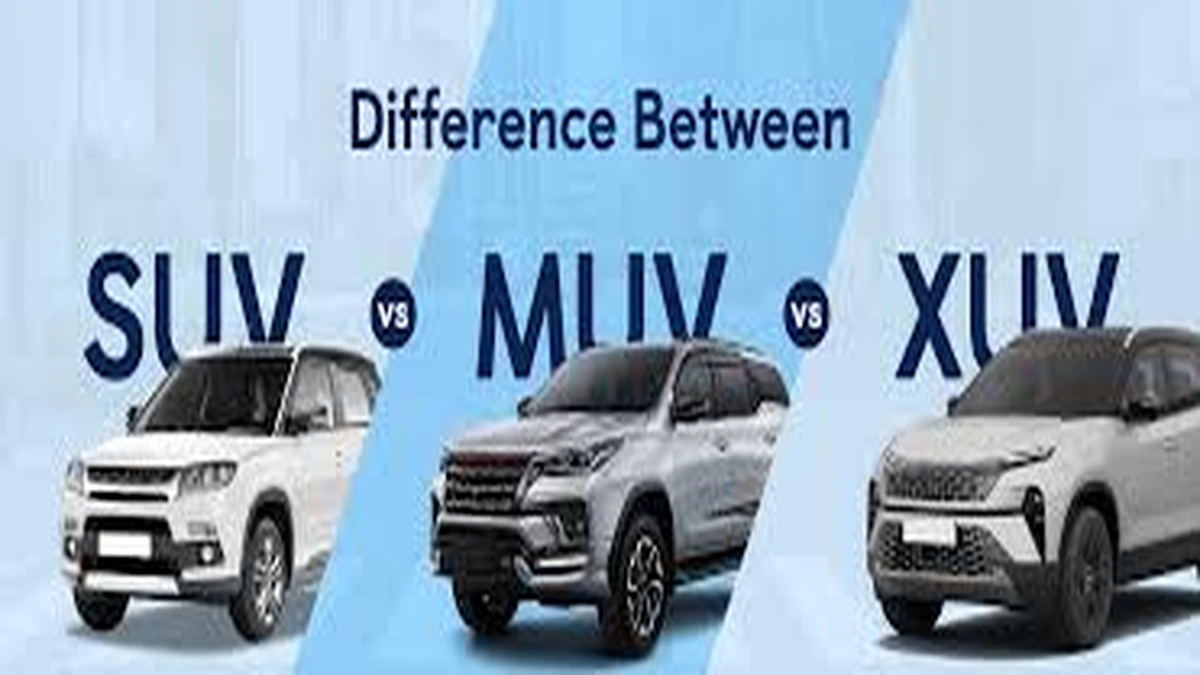
Cost of ownership is a huge one. While SUVs might look more expensive upfront, it’s a layered cake. Insurance premiums for SUVs can sometimes be higher due to repair costs or theft rates. Maintenance, especially for larger tires or more complex AWD systems, can also add up. However, it’s worth noting thatthe definition of an SUVhas broadened significantly, meaning there’s a wide range of costs even within the segment.
Then there’s the resale value . This is a tricky one because market trends shift. For a while, SUVs held their value incredibly well due to high demand. And while many still do, the market is constantly evolving. Sedans, while perhaps not seeing the same surge in demand, often maintain a steady, predictable resale value , especially popular models. It’s less about which is always better and more about which specific model you choose and how well you maintain it.
Let’s not forget parking challenges . Anyone who’s tried to squeeze a full-size SUV into a tight parallel parking spot in a busy city knows the struggle. Sedans, generally being shorter and narrower, offer a distinct advantage here. Urban dwellers, in particular, often find the maneuverability of a sedan far more practical for navigating congested streets and compact parking garages. This seemingly small detail can become a major daily frustration if you choose the wrong vehicle for your environment.
Here’s the thing, though: the market isn’t static. We’re seeing more and morecompact SUVs under budgetthat blur these lines, offering SUV-like utility without the massive footprint or prohibitive costs. This makes the decision even more complex, but also offers more options for tailored choices.
Beyond the Specs | The Lifestyle Factor
Ultimately, your car is an extension of your life. It’s where you commute, where you take your kids, where you embark on adventures. So, the choice between an SUV vs sedan often boils down to which vehicle best supports your day-to-day and aspirational lifestyle.
If your life involves frequent road trips, hauling gear for outdoor hobbies, or simply the peace of mind that comes with a higher vantage point for your growing family, an SUV, or at least a crossover vehicle , might be the natural fit. It’s designed for versatility and can often feel like a mobile command center for a busy household. I’ve personally seen families swear by their SUVs for everything from school runs to camping trips, and you can’t argue with that kind of utility.
On the other hand, if you prioritize a smoother, quieter ride, enjoy the feeling of a car that hugs the road, or spend most of your time navigating city streets and highways, a sedan offers a compelling package. It’s often seen as more elegant, more understated, and for many, provides a more satisfying driving experience . Think about the European market, for instance, where sedans (andbest hatchback cars Europeoffers) still reign supreme for their efficiency and driving dynamics. This is a subtle but important distinction, reflecting different cultural priorities.
Safety is a huge consideration, and it’s essential to look beyond perception. While SUVs historically had rollover concerns, modern electronic stability control systems have largely mitigated this. Both sedans and SUVs today come equipped with advanced safety features, from multiple airbags to sophisticated driver-assistance systems. It’s less about the body style and more about checking the specific safety ratings of the model you’re considering.
So, when you’re weighing the pros and cons USA style, it’s not just about what’s popular, but what genuinely aligns with your life. Do you need the extra ground clearance for those occasional snowy days, or will a nimble sedan make your daily commute less stressful? There are no wrong answers, only informed choices.
Frequently Asked Questions About Choosing Between SUVs and Sedans
Is an SUV always safer than a sedan?
Not necessarily. While SUVs often feel more robust due to their size, modern sedans are equipped with advanced safety features and perform exceptionally well in crash tests. It’s crucial to check the specific safety ratings (like those from NHTSA or IIHS) for any particular model, rather than relying solely on vehicle type.
Do SUVs really have worse fuel economy?
Generally, yes. Due to their larger size, heavier weight, and less aerodynamic profiles, SUVs typically consume more fuel than comparable sedans. However, the gap is narrowing with technological advancements like hybrid powertrains and more efficient engines in SUVs. Compact SUVs often offer better fuel efficiency than their larger counterparts.
What about resale value for both?
Historically, SUVs have often held their value better in the American market due to high demand. However, resale value depends heavily on the specific make, model, condition, and market trends at the time of sale. Popular sedans also maintain strong resale values. It’s wise to research the depreciation rates for specific models you’re considering.
Are there smaller alternatives to traditional SUVs?
Absolutely! The rise of crossover vehicles and compact SUVs offers a fantastic middle ground. These vehicles provide much of the utility and higher driving position of an SUV but often with better fuel economy , easier parking challenges , and a more car-like driving experience than full-size SUVs. They’re a great option for those who want some SUV benefits without the full commitment.
Which is better for family vehicles in the USA?
Both can be excellent family vehicles , depending on your family’s specific needs. SUVs offer more cargo space and often easier car seat installation due to higher door openings, which can be a big SUV advantage . Sedans can offer a more comfortable ride for passengers and better fuel economy for long family trips. Consider the number of children, amount of gear, and typical driving environment when deciding.