
 By Car playhoopgame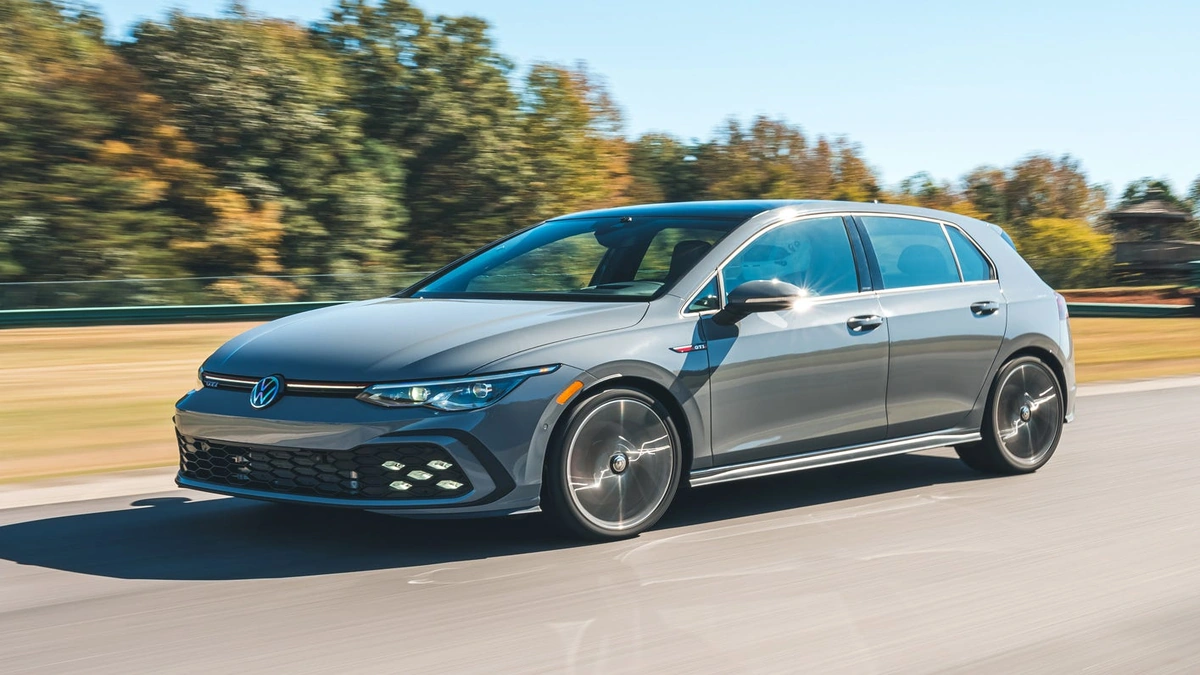
Ever wondered why, in a world obsessed with SUVs, Europe still holds a special place in its heart for the humble, yet incredibly sophisticated, hatchback? It’s not just about navigating narrow streets or finding parking. Oh no, my friend. There’s a much deeper, more fascinating story at play here, a convergence of culture, engineering, and sheer driving pleasure that makes premium hatchback cars Europe a true automotive phenomenon. As an analyst who’s spent years watching the pulse of the European car market, what truly captivates me is understanding the ‘why’ behind this enduring love affair.
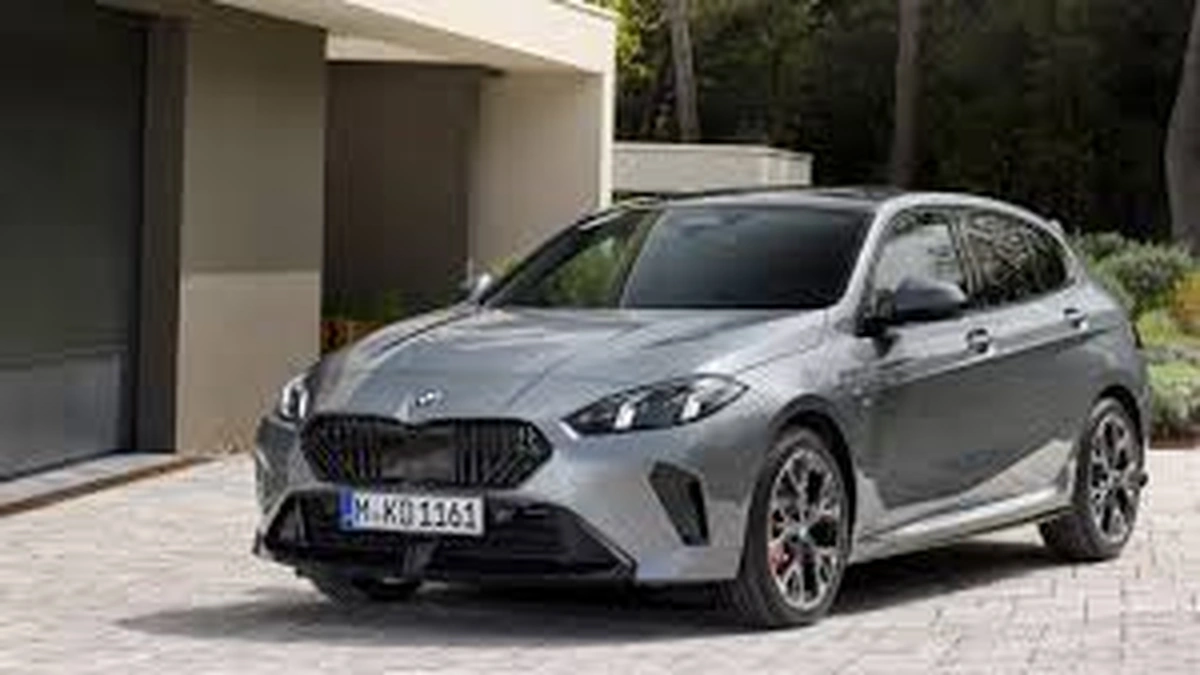
We’re not talking about your basic run-around. We’re diving into the world of exquisitely crafted machines – think Audi A3, BMW 1 Series, Mercedes-Benz A-Class, or the Volkswagen Golf R. These aren’t just cars; they’re statements. They offer a blend of compact practicality with the kind of luxury, technology, and driving dynamics you’d expect from something far larger and pricier. And let me tell you, once you understand the intricate dance of factors contributing to their success, you’ll see these cars through an entirely new lens.
More Than Just a Car | Understanding Europe’s Unique Automotive Psyche
Here’s the thing: Europe isn’t America. Space is at a premium, cities are ancient, and fuel prices can make you wince. So, it makes perfect sense that smaller, more efficient vehicles would be popular. But the leap from basic utility to aspirational luxury compact cars is where the magic happens. It’s a reflection of a sophisticated consumer base that values efficiency and maneuverability without sacrificing prestige or performance.
Historically, the hatchback has been the backbone of the European automotive trends. It’s the default family car, the daily commuter, the weekend warrior. But as incomes rose and tastes evolved, so did the demand for something more. This wasn’t just about adding leather seats; it was about elevating the entire experience. It’s about a car that fits your lifestyle perfectly – agile enough for the city, comfortable enough for the autobahn, and stylish enough to turn heads. This segment perfectly encapsulates the balance between practicality and luxury, a balance that is profoundly European.
The Engineering & Experience Edge | What Sets Them Apart?
So, what exactly makes a premium hatchback ‘premium’? It’s a combination of meticulous engineering, superior materials, and a relentless focus on the urban driving experience. These cars often share platforms with their larger sedan or SUV siblings, meaning they benefit from advanced suspension systems, refined engines, and cutting-edge safety features that trickle down from the top tiers. You get that solid, planted feel on the road, the kind of precision steering that makes even mundane commutes enjoyable.
Let’s be honest, the Germans, in particular, have perfected this art. Their commitment to build quality, ergonomic interiors, and intuitive connectivity features sets a benchmark. Every button, every stitch, every panel gap feels precisely engineered. This isn’t just about perceived quality; it’s about the tangible difference you feel when you close the door or take a corner. It’s why buyers are willing to invest more – they’re buying into a promise of reliability, performance, and enduring brand value. While aluxury coupe carmight offer similar panache, the hatchback delivers that same feeling with a dose of everyday usability that’s hard to beat.
The Electric Revolution’s New Darling | Premium Hatchbacks Go Green
And then came the electric revolution, shaking up the entire European car market. Guess what? Premium hatchbacks are leading the charge here too. Manufacturers are pouring resources into developing electric hatchback models that retain all the charm and capability of their combustion-engine counterparts, but with zero emissions. Think Volkswagen ID.3, BMW i3 (though now discontinued, it was a pioneer), or the upcoming electric iterations of popular models.
This shift towards sustainability isn’t just a regulatory push; it’s a consumer demand. European buyers, particularly in urban centers, are increasingly conscious of their environmental footprint. An electric premium hatchback offers the perfect solution: a stylish, powerful, and technologically advanced vehicle that aligns with eco-friendly values. It redefines the urban driving experience, offering silent, smooth acceleration and often significant cost savings on fuel and taxes. This is where the future of mobility in Europe is truly being shaped.
Beyond the Showroom | The Investment and Resale Value
Another often overlooked aspect of these vehicles is their incredible long-term value. While any new car depreciates, premium hatchback cars Europe tend to hold their resale value remarkably well. Why? Because the demand is consistently high. They’re built to last, they’re packed with desirable features, and they fit the European lifestyle perfectly. This makes them a smart investment for many, offering a blend of immediate gratification and sensible financial planning.
This robust segment growth isn’t accidental. It’s a testament to a product category that has evolved perfectly with its market. From young professionals to empty nesters, the premium hatchback offers a compelling package. It’s the discerning choice for those who appreciate understated luxury, intelligent design, and a genuinely engaging drive. You might be interested to compare this with asedan car mileage guide, but the driving experience and urban agility of a premium hatchback are often unparalleled.
FAQs | Your Burning Questions About Premium Hatchbacks in Europe
Are premium hatchbacks truly worth the extra cost?
Many owners would emphatically say yes. The added cost often translates to superior build quality, advanced technology, better driving dynamics, and a more refined interior. These factors contribute to a more enjoyable ownership experience and often better long-term reliability and resale value.
How do they compare to larger sedans or SUVs in Europe?
For many European drivers, premium hatchbacks offer a more practical and agile solution for urban environments without sacrificing luxury or performance. They are easier to park and maneuver, generally more fuel-efficient, and often provide a more engaging driving experience than larger vehicles, especially on winding European roads. Check outWikipedia’s overview of the European automotive industryfor more context.
What role does brand reputation play in this segment?
Brand reputation is huge. Established German marques like Audi, BMW, and Mercedes-Benz, along with Volkswagen, have spent decades building a reputation for quality, innovation, and prestige. This strong brand value is a major draw for consumers looking for a reliable and aspirational vehicle.
Are electric premium hatchbacks practical for long journeys?
Absolutely. Modern electric premium hatchbacks offer increasingly competitive range figures, often exceeding 300-400 kilometers on a single charge. Combined with Europe’s expanding charging infrastructure, they are becoming highly practical for both daily commutes and longer road trips. For a deeper dive into market trends, consider sources likeStatista’s automotive industry reports for Europe.
What’s the future outlook for the European car market premium hatchback segment?
The outlook remains strong. With increasing urbanization, environmental regulations, and a continued demand for efficiency blended with luxury, the premium hatchback segment is poised for continued innovation and segment growth, especially as electrification becomes the norm.
Conclusion | The Smart Choice for a Sophisticated Continent
So, the next time you see a sleek, premium hatchback cars Europe gliding effortlessly through a cobbled European street, you’ll know it’s not just a car. It’s a testament to intelligent design, a reflection of cultural values, and a glimpse into the future of sophisticated urban mobility. It’s the smart choice for a continent that demands both practicality and panache, proving that sometimes, the best things truly do come in perfectly engineered, compact packages.