
 By Car playhoopgame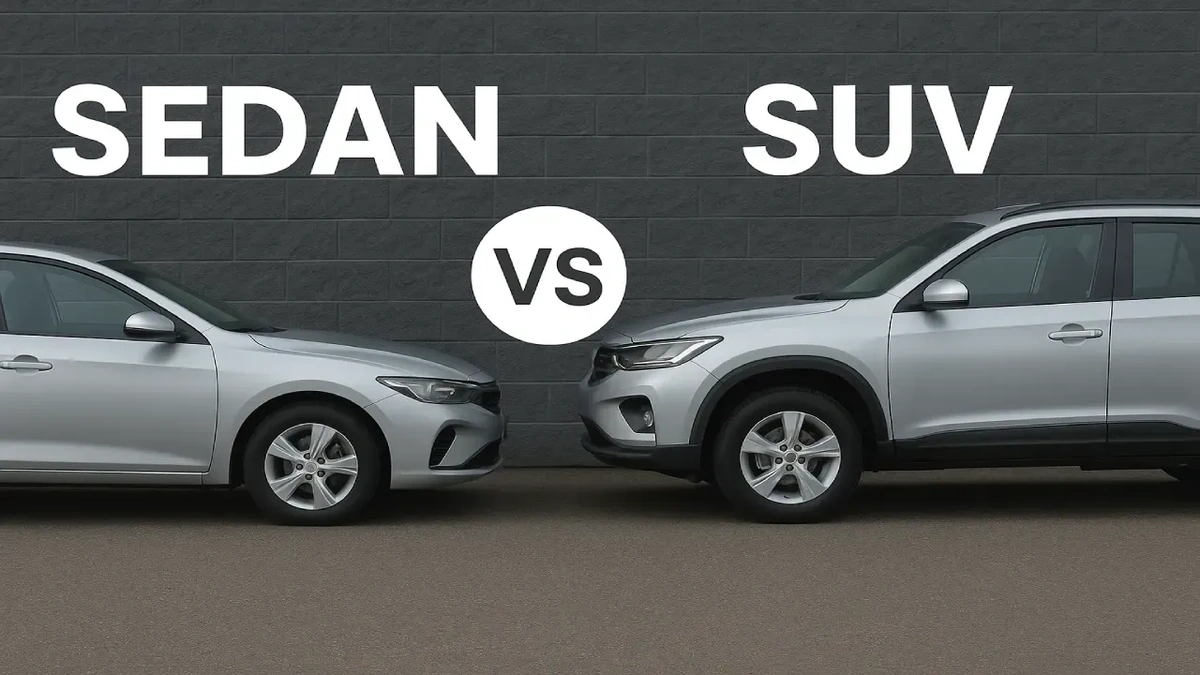
Alright, let’s be honest. You’re probably here because you’re eyeing a new set of wheels, and somewhere in the back of your mind, the rising fuel prices are doing a little dance. Or maybe you’re just curious, having seen countless SUVs on the road and wondered, “Are these things really guzzling gas like I imagine?” It’s a question that plagues many American car buyers: when it comes to sedan vs SUV fuel economy USA , which one truly wins the battle for your wallet? I initially thought this was a straightforward numbers game, but then I realized there’s a whole lot more to unpack.
See, it’s not just about the EPA sticker on the window (though that’s a great starting point, obviously). We’re talking about the why behind those numbers, the hidden factors, and the long-term implications that can genuinely surprise you. This isn’t just a comparison; it’s an analyst’s deep dive into what’s truly happening on American roads and what it means for your bank account and even your driving experience. Let’s peel back the layers, shall we?
The Physics of Fuel Consumption | Why Sedans Often Have an Edge
So, why do sedans traditionally boast better gas mileage comparison figures? It mostly boils down to fundamental physics and engineering. Think about it: a sedan is generally lower to the ground, sleeker, and often lighter than its SUV counterpart. This isn’t rocket science, but the impact is profound.
First up, aerodynamics car design . Sedans are inherently more aerodynamic. Their lower profile and smoother lines allow them to slice through the air with less resistance. Every bit of drag reduction translates directly into less work for the engine, meaning less fuel burned. SUVs, with their taller, boxier shapes, catch more air, especially at highway speeds. It’s like trying to run with a parachute on your back versus running without one. The difference inaerodynamic dragalone can account for a significant portion of the fuel economy gap.
Then there’s the vehicle weight impact . SUVs, by their very nature, are designed to be more robust, often offering more cargo space, higher ground clearance, and sometimes even off-road capabilities. This usually means heavier chassis, larger components, and more overall mass. A heavier vehicle requires more energy to get moving (acceleration) and to maintain speed, especially uphill. This constant battle against inertia directly impacts fuel consumption, particularly in stop-and-go urban driving scenarios. It’s a simple equation: more weight equals more fuel, generally speaking.
Now, I know what you’re thinking: “But what about smaller SUVs, like compact SUVs ?” And you’re right to ask! While a compact SUV might close the gap with a full-size sedan, it’s still often fighting against its inherent design for height and utilitarian space. The general rule of thumb holds: lower, lighter, and sleeker usually wins on fuel efficiency.
Beyond the Sticker Price | Understanding the True Cost of Ownership
When we talk about cost of ownership SUV vs sedan , fuel economy is just one piece of the puzzle, albeit a very significant one. But let’s broaden our scope for a moment. The initial purchase price, insurance, maintenance, and evenresale value SUV sedanall play crucial roles. However, the recurring expense of fuel costs is where the rubber truly meets the road, pun intended.
Consider this: a difference of just 5 miles per gallon (MPG) might not seem like much on paper. But over 15,000 miles a year, with gas prices fluctuating around, say, $3.50 per gallon, that 5 MPG difference can translate into hundreds of dollars in extra fuel expenses annually. Over five to ten years of ownership, we’re talking about thousands of dollars. That’s real money that could be going into your savings, a vacation, or even just better coffee! This is where the concept of long-term savings really hits home.
What fascinates me is how quickly these small differences accumulate. Many people focus on the monthly car payment, but the ongoing operational costs, especially fuel, can quietly eat away at your budget. This is why a comprehensive car buying guide should always factor in projected fuel expenditure over the vehicle’s lifespan. It’s not just about the initial outlay; it’s about the consistent drain on your resources.
The Evolving Landscape | Where Hybrid Tech Changes the Game
But wait, there’s a twist! The automotive world isn’t static, and technology is constantly blurring the lines. The emergence of hybrid sedan vs SUV models has significantly altered the traditional fuel economy narrative. Suddenly, an SUV, especially a smaller or compact one with a hybrid powertrain, can rival or even surpass the MPG of a conventional gasoline-powered sedan.
Take, for instance, a Toyota RAV4 Hybrid. Its combined MPG rating can often be in the high 30s, sometimes even touching 40 MPG. Compare that to a non-hybrid mid-size sedan, and the SUV might actually come out ahead in terms of fuel efficiency. The secret? Electric motors assisting the gasoline engine, regenerative braking, and often more sophisticated engine management systems. This is particularly effective in stop-and-go traffic where hybrids excel at maximizing efficiency.
However, it’s crucial to remember that hybrid technology adds to the vehicle’s complexity and often its upfront cost. So, while the fuel efficiency might be impressive, you still need to weigh that against the initial investment. The “Why” here is that technology is democratizing fuel efficiency, making it less about vehicle type and more about powertrain choice. For those prioritizing best fuel-efficient cars , looking beyond traditional categories is now essential.
Driving Habits and Your MPG | It’s Not Just the Car
Here’s the thing: no matter how fuel-efficient your car is on paper, your driving style plays a massive role in actual driving habits fuel efficiency . I’ve seen it countless times – someone with a highly rated MPG vehicle getting terrible mileage because of aggressive driving, rapid acceleration, and heavy braking.
Smooth acceleration, anticipating traffic, coasting when possible, and maintaining a steady speed (especially on the highway mpg ) can drastically improve your real-world fuel economy. Think of it as a dance with your car, not a wrestling match. Even minor adjustments can lead to significant improvements. For example, using cruise control on long stretches of highway can prevent unnecessary speed fluctuations that waste fuel.
And let’s not forget maintenance! Properly inflated tires, regular oil changes, and a clean air filter all contribute to optimal engine performance and thus, better fuel economy. Neglecting these simple steps can easily negate any inherent efficiency advantage your vehicle might have. So, while we obsess over sedan vs SUV fuel economy, remember the person behind the wheel has immense power to influence those numbers.
The Verdict | Why “It Depends” Is the Smartest Answer
So, after all this analysis, what’s the definitive answer to sedan vs SUV fuel economy USA ? The honest, expert answer is: it depends. I know, not exactly the dramatic reveal you might have hoped for, but let me rephrase that for clarity.
Traditionally, sedans held a clear advantage due to their inherent design for efficiency: lower weight, superior aerodynamics, and often smaller engines. They still offer compelling sedan advantages for those prioritizing pure fuel economy and a nimble driving experience. If your daily commute is mostly highway or city driving without the need for significant cargo space or off-road capability, a sedan will likely offer you superiorfuel efficiencyand lower operating costs.
However, the landscape has shifted dramatically with hybrid technology. A modernhybrid SUVcan now go toe-to-toe with, or even surpass, a conventional gasoline sedan in terms of MPG. If you need the versatility, cargo space, or higher driving position of an SUV, but still want excellent fuel economy, a hybrid SUV is a very strong contender. You’re balancing utility with the desire for reduced environmental impact and lower fuel costs .
Ultimately, the “why” behind your choice matters most. Are you prioritizing the lowest possible fuel costs above all else? A non-hybrid sedan or a compact hybrid sedan is likely your champion. Do you need more space, a higher ride, and some light utility, but still want to be mindful of the pump? Then a hybrid SUV becomes an incredibly attractive option. The key is to look beyond the general categories and dive into specific models and their powertrains. Your driving needs, budget, and even your personal driving habits are the ultimate arbiters in this ongoing debate about vehicle performance and economy.
Frequently Asked Questions About Car Fuel Economy
Is an SUV always worse on gas than a sedan?
Not always. While traditional gasoline SUVs generally have lower fuel economy due to their weight and aerodynamics, modern hybrid and plug-in hybrid SUVs can often achieve comparable or even superior gas mileage to non-hybrid sedans. It largely depends on the specific models and powertrains being compared.
What factors affect a car’s fuel economy the most?
Several factors significantly impact fuel economy, including vehicle weight, engine size and type, transmission, aerodynamic design, tire pressure, and most importantly, your driving habits (e.g., aggressive acceleration and braking vs. smooth driving).
Can I improve my car’s fuel economy?
Absolutely! You can improve your car’s fuel economy by adopting smooth driving habits, maintaining proper tire pressure, regularly servicing your engine (oil changes, air filter), avoiding excessive idling, and removing unnecessary weight from your vehicle.
Do hybrid cars really save money on fuel in the long run?
Yes, hybrid cars typically offer significant fuel savings over their lifespan compared to their conventional gasoline counterparts, especially in city driving where their electric motors are most effective. However, these savings need to be weighed against the potentially higher upfront purchase price of a hybrid vehicle.
How does highway driving compare to city driving for fuel economy?
For most conventional gasoline vehicles, highway driving generally yields better fuel economy than city driving. This is because highway driving involves more consistent speeds with fewer stops and starts, which are less demanding on the engine. Hybrids, however, often show excellent efficiency in city driving due to regenerative braking and electric motor assistance.