
 By Car playhoopgame
Picture this: a bustling European city street. For decades, it’s been a symphony of internal combustion engines – the rumble of delivery trucks, the distant hum of traffic. But lately, something profound is happening, and if you’re not paying close attention, you might just miss it. The streets are getting quieter. The air, a little cleaner. What’s the secret? It’s the silent, steady surge of electric cargo vans Europe , and let me tell you, this isn’t just a fleeting trend. This is a seismic shift, a fundamental rethinking of how goods move through our urban landscapes.
As an analyst who’s watched the automotive industry evolve, what fascinates me most isn’t just that these vans are appearing, but why this transformation is happening with such force in Europe. It’s a complex interplay of policy, economics, and a growing environmental consciousness. We’re not just swapping out diesel for batteries; we’re witnessing a complete re-engineering of last-mile delivery , driven by forces that go far beyond simple technological advancement. It’s about efficiency, sustainability, and ultimately, building better, healthier cities for everyone.
More Than Just a Trend | The Driving Forces Behind Europe’s EV Van Boom
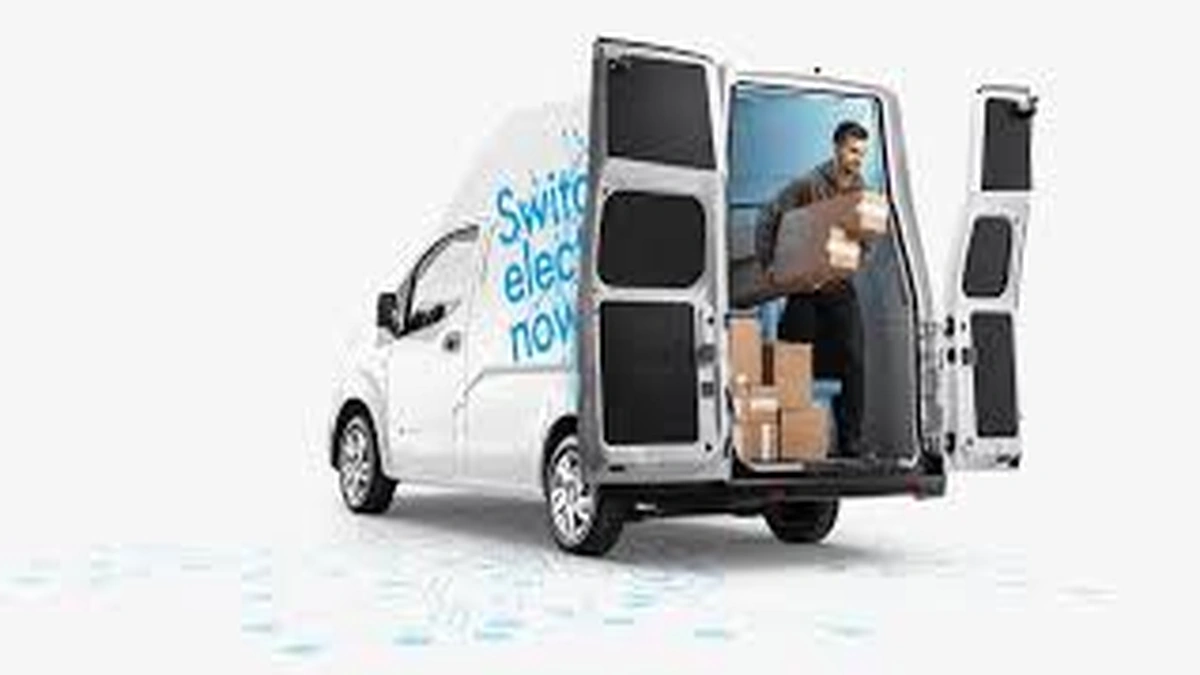
Let’s be honest, the idea of electric vans isn’t new. But their current acceleration in Europe? That’s what’s truly remarkable. The biggest ‘why’ here boils down to a few critical factors that have converged, creating a perfect storm for electrification.
The Regulatory Hammer | Tightening Emissions and Urban Access
First up, regulations. Europe has consistently led the charge (pun intended!) on environmental policies. We’re talking about stringent CO2 emission targets for vehicle manufacturers and, crucially, the proliferation of Low Emission Zones (LEZs) and even Zero Emission Zones (ZEZs) in major cities like London, Paris, and Amsterdam. If you’re a business needing to deliver goods in these areas, your old diesel van is increasingly unwelcome, or at least, expensive to operate. This isn’t just about fines; it’s about access. No access, no business. So, for many fleet operators, embracing zero-emission vehicles isn’t just an option; it’s a strategic imperative to maintain their operational footprint.
This push isn’t just theoretical. The European Union’s ambitious climate goals, including the ‘Fit for 55’ package, are translating into concrete targets for reducing transport emissions. This creates a powerful, top-down incentive for the adoption of EV commercial vehicles across the continent. It’s a clear signal from policymakers: the future of urban transport is electric.
The Economic Equation | Lower Running Costs and Incentives
While the initial purchase price of an electric cargo van can still be higher than its diesel counterpart (though this gap is rapidly narrowing), the total cost of ownership (TCO) often tells a different story. Fuel costs? Significantly lower, especially with fluctuating global oil prices. Maintenance? Far simpler. Fewer moving parts mean less wear and tear, fewer oil changes, and generally, a longer lifespan for components. This translates directly into operational savings over the vehicle’s lifetime. Many businesses are crunching these numbers and realizing that despite the upfront investment, fleet electrification makes sound financial sense in the long run.
And let’s not forget the carrot, not just the stick. Many European governments are offering substantial government incentives electric vans , including purchase subsidies, tax breaks, and even preferential parking or charging rates. These incentives significantly reduce the barrier to entry, making the switch to electric far more palatable for small and large businesses alike. It’s a testament to the collective understanding that this transition requires a coordinated effort.
Navigating the Road Ahead | Challenges and Solutions for Fleet Electrification
Now, I’m not here to paint an overly rosy picture. The road to a fully electrified fleet isn’t without its bumps. Anyone considering the switch, or even just observing the European electric van market , will quickly encounter questions around range, payload, and perhaps the biggest hurdle: charging infrastructure Europe .
The Charging Conundrum | Powering Up the Future
This is where the rubber meets the road, quite literally. For a single private EV owner, finding a charging point might be an occasional inconvenience. For a fleet of dozens or hundreds of electric cargo vans , it’s an intricate logistical puzzle. How do you ensure every van is charged and ready for its route each morning? Depot charging solutions are becoming increasingly sophisticated, but public charging networks still need to catch up, especially for vans that might be on longer routes or require opportunistic top-ups. Investment in robust, reliable, and accessible charging infrastructure is paramount for sustained growth.
Organizations like the European Automobile Manufacturers’ Association (ACEA) are actively advocating for more public charging points, highlighting the critical need for policy support to accelerate infrastructure deployment. You can learn more about their efforts and the broader challenges facing the automotive industryhere.
Range, Payload, and Practicalities
Early electric vans sometimes struggled with range and payload capacity compared to their diesel counterparts. For businesses, every kilogram of payload and every kilometer of range matters. However, battery technology is advancing at a breathtaking pace. Newer models of electric cargo vans are offering significantly improved ranges (often exceeding 300 km on a single charge) and payload capacities that are increasingly competitive. The industry is rapidly innovating, addressing these practical concerns head-on. It’s a testament to engineering ingenuity, pushing the boundaries of what these vehicles can achieve.
Speaking of practicalities, for those of us who appreciate efficient transport in Europe, it’s not just about vans. The broader shift towards efficient, compact vehicles is also evident in passenger cars. For instance, the market forbest hatchback cars Europeoften reflects a similar demand for urban maneuverability and fuel efficiency, much like the evolving needs of commercial fleets. It’s a fascinating parallel.
The Heart of the Matter | How Electric Cargo Vans Impact Last-Mile Delivery Europe
The impact of these vehicles goes far beyond balance sheets and emissions reports. It fundamentally changes the experience of living and working in European cities. Think about it:
Quieter Streets, Cleaner Air
Imagine your neighborhood without the constant drone of delivery vans. Electric vans are significantly quieter, reducing noise pollution – a major quality-of-life issue in dense urban areas. And, of course, they produce zero tailpipe emissions. This means a direct improvement in air quality, reducing particulate matter and nitrogen oxides that contribute to respiratory illnesses. This isn’t just an abstract benefit; it’s tangible, impacting the health and well-being of millions of urban dwellers. This move towards sustainable logistics solutions is genuinely transformative.
Operational Efficiency and Urban Access
Beyond the environmental benefits, electric vans often prove more agile and efficient in congested urban environments. Their instant torque makes stop-start driving less taxing on the powertrain and often quicker off the mark. As cities increasingly restrict access for fossil-fuel vehicles, electric cargo vans become the key to seamless urban logistics , ensuring businesses can continue to serve customers without interruption. It’s a competitive advantage that’s hard to ignore.
This focus on efficiency, especially in urban settings, isn’t limited to commercial vehicles. Even in the passenger car segment, the quest for optimal performance and reduced environmental footprint is paramount. For example, discussions aroundhatchback mileage carsoften highlight the importance of fuel economy and compact design for urban driving, mirroring the needs of efficient commercial operations.
Beyond the Buzz | What the European Electric Van Market Signals for the Global Stage
What’s happening in Europe isn’t just a localized phenomenon. It’s a bellwether for the rest of the world. Europe, with its dense urban centers and progressive environmental policies, often acts as a proving ground for new technologies and regulatory frameworks. The lessons learned here – the successes, the challenges, the innovations – are being closely watched globally.
The rapid expansion of the European electric van market is pushing manufacturers to innovate faster, develop more robust and versatile models, and invest heavily in battery technology and charging solutions. This fierce competition and rapid development will inevitably benefit other regions as these technologies mature and become more affordable. We’re seeing a global race towards sustainable logistics solutions , and Europe is certainly setting a blistering pace.
The shift towards fleet electrification isn’t merely about complying with regulations or chasing green credentials. It’s about a fundamental re-evaluation of how businesses operate, how cities function, and how we collectively move towards a more sustainable future. The quiet revolution of electric cargo vans Europe isn’t just about vans; it’s about a better way of living.
Frequently Asked Questions About Electric Cargo Vans in Europe
What are the main benefits of using electric cargo vans in Europe?
The primary benefits include significantly lower running costs (due to cheaper electricity and reduced maintenance), zero tailpipe emissions improving urban air quality, reduced noise pollution, and compliance with increasingly strict Low Emission Zones in European cities. They also align with corporate sustainability goals .
Are electric cargo vans expensive to buy compared to diesel vans?
Initially, the purchase price of an electric cargo van can be higher. However, when considering the total cost of ownership (TCO) over the vehicle’s lifespan, factors like lower fuel costs, reduced maintenance, and various government incentives electric vans often make them a more economical choice in the long run. The price gap is also steadily closing.
How developed is the charging infrastructure for electric vans in Europe?
While charging infrastructure Europe is rapidly expanding, it remains a key challenge, particularly for large fleets. Depot charging solutions are becoming more sophisticated, but public charging networks still need significant investment. Efforts are underway across the EU to accelerate the deployment of sufficient and accessible charging points to support the growing number of EV commercial vehicles .
What challenges do businesses face when electrifying their fleets in Europe?
Key fleet electrification challenges include the initial investment cost, planning for adequate charging infrastructure, managing vehicle range anxiety for longer routes, and ensuring sufficient payload capacity. However, technological advancements and government support are continually addressing these concerns, making the transition smoother.
Will electric cargo vans be able to handle all types of deliveries in Europe?
Modern electric cargo vans are increasingly capable, offering competitive range and payload for most last-mile delivery and urban logistics needs. While very long-haul or extremely heavy-duty applications might still favor traditional fuels for now, the vast majority of intra-city and regional deliveries are well within the capabilities of current electric models. The technology is rapidly evolving to cover more diverse use cases.